Take one episode of a short drama. Pick five moments worth opening on: the slap, the reveal, the phone call nobody should have answered. Give each three hook lines. Put each in four languages and three placements. That's 180 ads, and not one frame of the series had to be shot again or generated.
The arithmetic isn't exotic. Microdrama advertisers ran about 3 million creatives in the first half of 2026 (ContentGrip), and their ads are mostly clips from their own series with a hook line and subtitles on top. The series is already shot. The work is choosing the moments and dressing them for each test and market.
Most AI ad tools sell the opposite: a way around the camera. HeyGen offers an AI clone of the presenter, Krea promises ad creative without a shoot, Arcads sells AI avatars. For a team that already has footage, that pitch points the wrong way. And in short drama, at least, real footage lasts longer: in aggclaw's data cited by AppGrowing in May 2026, AI-generated creatives fatigued in three to five days, against 45 to 100 days for real-person footage (AppGrowing).
Who else is sitting on footage
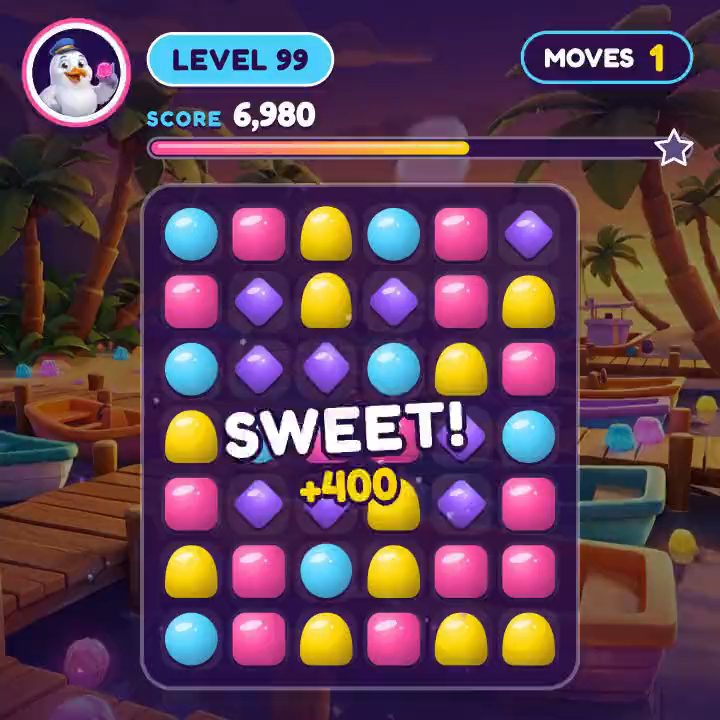
Games. AppMagic found top puzzle and casual titles putting their live-ops content straight into ads, so a new event or season becomes ad material with no new production (AppMagic). Where generation helps is at the front: Idle Lumber Empire added AI-made intros before its gameplay and its monthly installs rose from 1.6 million to more than 3.7 million. The generated part sells the hook, and the owned footage shows what people will get, the case made in why your own footage beats a generated ad.
Brands with shoots. A product shoot yields hours of usable material and a handful of finished ads, and the rest sits in a folder until the next campaign pays for a new shoot.
Why extending footage by regenerating it doesn't work
The tools that do start from existing footage mostly redraw it. Luma's Shot Coverage generates new angles from an approved shot, and Runway's Aleph changes light, weather or camera in an existing clip by generating it again. Both are useful for building a new scene, and both turn owned footage into generated footage: the actor's face, the product and the licensed set become the model's version of them. For a series whose actors signed contracts, a product whose shape is the product, or gameplay that has to match the store, that's a different asset from the one you own.
Following the episode through
The episode goes onto a Motn canvas as video, untouched. On the timeline the team marks the five moments; each becomes the start of an opening, and the cut after it can be shared or changed per ad.
Generation works around the footage, not on it. Where an opening needs something the episode doesn't have, a cold open, a background for the 1:1 version, a transition into the end card, the team generates that shot in its own step, picks from several takes and places it next to the footage.
Everything written on top is live code: the hook line, the episode title, the subtitles, the end card. Each language is its own text layer over the same episode, and the layout reflows for longer words or right-to-left scripts, as in localizing subtitles and hook text. Each placement is laid out again from the same clips, so the 9:16 version keeps the actor's face in frame instead of cutting through it. Credits go only on the shots the team chose to generate.
What stays with the team
Choosing the moments. AppGrowing's hook data shows how much rides on the first three seconds, from emotional conflict to a question put to the viewer (AppGrowing), and the person who knows the series knows which scene makes someone tap. Rights stay with people too: talent contracts, music licenses and a licensor's style rules decide which footage can run where, and the approved library is where the team records that, as in more versions from approved art.
Next week's episode goes into the same steps; the team marks its moments and reviews what comes back. To try it, bring one episode or one shoot to the $10 Try pack, or book a demo.