On the App Store's search results page there is now a video nobody can hear. The 3:2 search video Apple introduced in October 2026 is a muted loop, and viewers can't unmute it (MobileAction). A dubbed voiceover does nothing there. The visuals and on-screen text have to carry the message without a voiceover.
That has been true of most video ads for years, since feeds and store pages mostly play without sound. Apple has simply made it the rule. In a video ad, most of what people read sits inside the picture: the headline, the offer, the call to action, the end card, the labels on the app's screens and the legal line. Localizing the ad means localizing those words where they sit, and that turns out to be a different job from translation.
What has to change for each market
The words come first. Prices and numbers follow, because discounts, dates and units are written differently everywhere; in Chinese, "8折" means you pay 80% of the price, which is 20% off (Alconost).
Then the layout. Short strings grow the most in translation: by IBM's guidelines, very short English strings of up to ten characters can become two to three times as long (W3C), which is exactly the length of a headline or a button. German builds compounds that won't wrap, so "input processing features" becomes "Eingabeverarbeitungsfunktionen". Chinese and Korean characters take twice the width of Latin ones, Thai and Arabic need more line height, and right-to-left languages reshape the whole composition. A font without the right characters is swapped for another, and one app's store listing was rejected because of it.
Culture and voice are the last layer. Imagery, idioms, humour and colour read differently, and red means luck in China and a warning elsewhere (Moburst). Those calls stay with the team and its native reviewers. If the ad has a voiceover or a presenter, that track changes too.
Where the usual process breaks
Someone exports the ad's text as a list of strings and sends it to a translator. An editor opens the project for each market, replaces the text, fixes whatever no longer fits, renders every size again and sends each version to a native reviewer, and to legal if there's a price or a disclaimer. invideo puts the traditional cost at roughly a week per market for one 30-second spot, and none of the work carries over to the next market (invideo).
The translation is the smallest part of that week. Strings travel without the picture, so a translator who gets "block" in a word list has to guess which of a dozen meanings it has (Alconost). The German headline overflows the frame, the Arabic one runs the wrong way, and each is fixed by hand per language and per size. Ten markets in five sizes are fifty versions to build and check, and next week's offer sends the whole set round again.
What AI tools localize today
Voice is the best-solved part. Meta added AI dubbing to Advantage+ in March 2026, according to the agency Digital Applied: it replaces the spoken audio in 11 languages and keeps the original frames, which also means the text in the picture stays in the source language, and it works poorly on fast-cut, music-led or UGC-style ads (Digital Applied). ElevenLabs dubs voice tracks into 70+ languages, and HeyGen pairs translated speech and lip movement with translation of on-screen text. A badly matched dub can still do more harm than none.
Other tools each cover one piece. Caption tools put translated captions on top, with the original text still in the picture underneath. Layer localizes static creative, leaving room for longer languages and mirroring right-to-left layouts. Translation platforms translate strings well and fast, and someone still has to put them into the video. Many video agents and generators make each market's version by generating again, so the shots the team approved can change from market to market.
Translating the words where they sit
The way around the week per market is to stop treating the text as part of the picture. In Motn the headline, the offer, the call to action, the end card, the interface labels and the legal lines sit on top of the approved footage as live text and motion graphics written as code. Each piece is translated in the place where it sits, with the picture around it, so nobody has to guess what "block" means.
The layout then reflows around each language. The longer German headline gets new line breaks and type size and stays inside the frame, the Arabic version runs right to left, and Japanese and Korean get the width their characters need. The footage doesn't change; the text, its layout and its timing do. Every language is the same approved ad, so the review covers the words rather than the whole video, and each language comes out in every placement.
Because the work carries over from one language to the next, the German, French, Arabic and Japanese versions are ready when the English one is. A later change, this week's offer or a new legal line, is made once and reaches every language and size. The cultural calls stay with the people who know each market.
Store pages, word games and short drama
Store pages. An App Store preview runs 15 to 30 seconds, each locale can have up to three, and a market with no localized preview gets the default, usually English. Localized text pays off: Narcade's Japanese creative got a 70% click-through rate against 30% for the English one (Alconost). How one master preview becomes every store size and language is in store preview videos from one master.
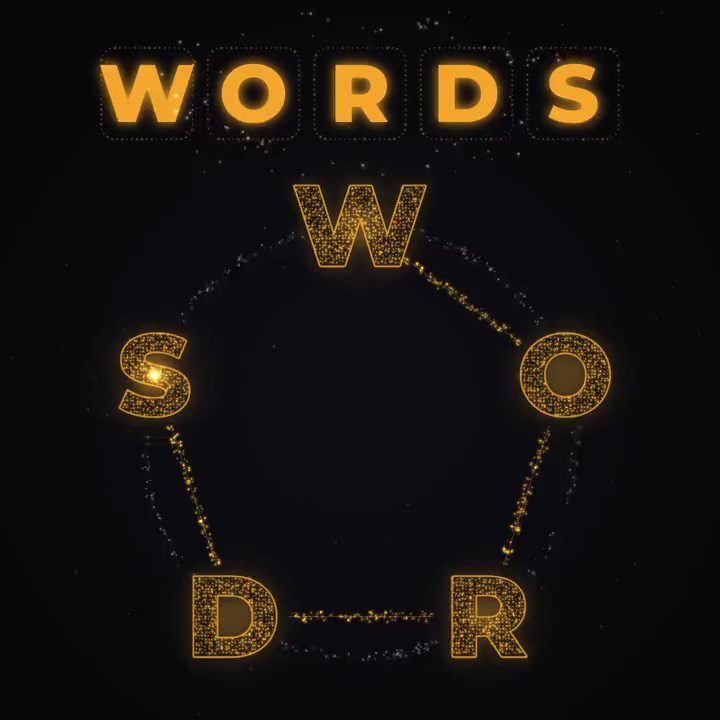
Word, trivia and music games. Here the text is the main visual, letters dropping onto a board or a lyric on the beat, and a word ad can't simply be translated; the team supplies the words each market's animation runs on. That is the subject of when the words are the ad.
Short drama. The same series runs in many languages on footage the app already owns. The subtitles, the hook line over the first seconds and the title cards change, and localizing them has its own routine.
Checking every market before it goes live
AI should make the versions, and a person who reads the language should sign each one off; the teams that do this well treat AI as the first draft and native reviewers as the final word. When the footage in every version is the approved footage, the check is about the words and how they sit: line breaks in short headlines and buttons, direction in right-to-left languages, the script and the font, prices and dates written the local way, text inside each placement's safe zone, and legal lines word for word. The QA checklist goes through it in order.
Take the ad that's working in your biggest market and add your next three. If those markets hold up, add three more. Book a demo and bring an ad you'd like to see in German, Arabic and Japanese.