BlogAI and your brand
Legal text in AI-made videowhy disclaimers must be live text, not pixels
5 min read
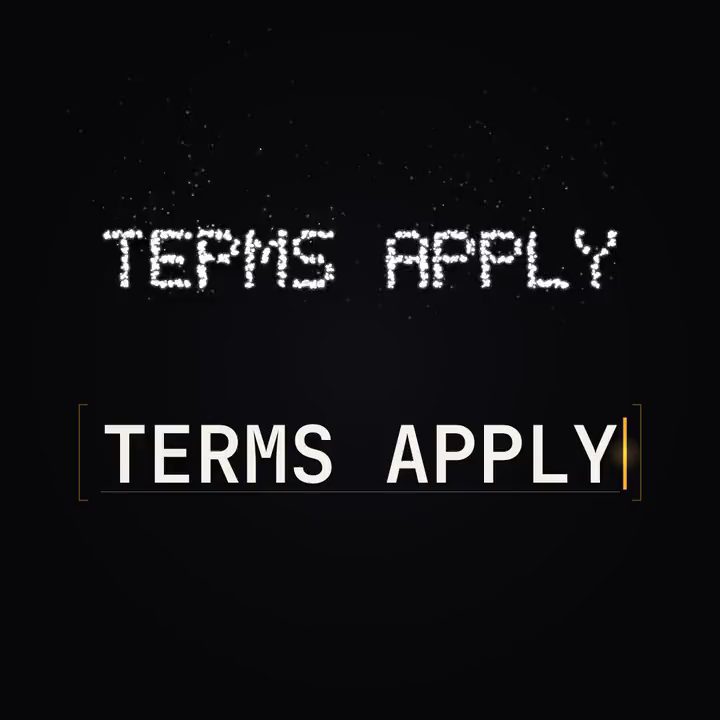
If your app sells investments, insurance, a medical device or bets, every ad carries a line legal wrote and approved word for word. For crypto in the UK the regulator sets the wording, starting with "Don't invest unless you're prepared to lose all the money you invest" (FD Capital). For a subscription it's the price, the trial terms and how to cancel. Multiply that line by twelve openings, four placements and six languages, and legal is checking 288 copies of something that has to be identical in every one.
A generative video model can't be trusted with any of those copies, because it draws text into the picture the way it draws everything else.
Why generated text can't carry a disclaimer
Video models are getting better at text, and they're still far from exact. VTR-Bench, published in October 2026, tested 11 current video models on 300 prompts, ads among them, and the best got one on-screen word in four wrong (AI Weekly). In September a Firefly user reported a Veo 3.1 clip that was right in every way except jumbled letters, after 400 credits, and the community expert's advice was to add the text in a design tool (Adobe Community).
For a headline, a wrong word is an embarrassment caught in review. For a risk warning it's a different ad from the one legal approved. Even a generated line that comes out right is part of the picture: nobody can search 288 copies for it, a reviewer has to read every frame to confirm it, and changing one word means generating the shot again.
What regulators check in the small print
The wording is only the first test. The FTC's guidance says a disclosure in a video has to stay on screen long enough to be noticed, read and understood, that animated graphics around it can make it less prominent, and that text too small to read on a phone isn't clear and conspicuous (FTC). The ASA ruled against an Omnipod insulin pump ad because its safety text was too small and too brief, and rejected the argument that viewers could pause: they "should not be expected to pause the ad" (Osborne Clarke). The FCA treats a crypto warning that is visually subordinate to the promotion as a failure.
What's missing counts too. In October 2026 the ASA banned an ad for the AI Scorecast app that promised "97% accuracy" in predicting football results, because taken as a whole it implied users would profit and never said they could lose money (ASA). And there's now one more line some ads must carry. Since 2 August 2026, Article 50 of the EU AI Act has required deployers to disclose deepfakes, meaning realistic AI-generated or manipulated images, audio or video of real people, objects, places or events, with a lighter duty for evidently artistic or creative work; breaches can cost up to €15 million or 3% of worldwide turnover, and California has its own disclosure rules (The Drum).
So legal text in a video has to pass more than a proofread. In every version the words must be the approved ones, the type must be readable on a phone against whatever is behind it, and the line must stay on screen long enough to read. A 9:16 version with a longer German line, a shorter cut for Stories or a busier background in one opening can each break one of these without anyone touching the wording.
How legal text gets into AI ads today
Teams that use AI video keep legal text out of the generation and add it at the end. The clips come out of the generator, an editor opens each version in a separate tool, types the disclaimer over it and exports again. For one ad that's fine. For 288 copies it's 288 chances to paste the US line into the UK version, to shrink the text until it fits the 9:16 frame, or to miss the one opening where the line sits on a white sky. When legal changes a word, the editor goes through all of them again, and so does legal.
Creative automation platforms handle part of this with templates that lock logo placement, brand colours and type styles and route each version to an approver (Storyteq). They're built around templates filled with existing assets, so a team that wants AI-made openings generates them elsewhere, and the legal line still has to be checked against every new opening it sits on.
Keeping the line as text
The way out is to keep the legal line out of the picture altogether. In Motn legal's approved wording goes into the shared library once, as live text, with one approved line for each market and language, the AI label included where the market requires it. From there it goes into every version word for word, and nobody retypes it, so there's nothing to paste into the wrong market.
The team sets the line's type size once in the workflow, along with a panel or shadow behind it so it reads on any background, and the time it stays on screen; every version uses those settings. When each placement is laid out, the layout around the legal line reflows, so a longer German line in 9:16 isn't squeezed into smaller type. When the team generates a new opening for a test, the line goes on top with the same wording and settings, and the review only checks that it reads on the new background.
A legal change is made once. When legal rewrites a sentence or a regulator changes the required wording, the new line replaces the old one in the library and every version that uses it takes the change. Legal approves the new wording once and spot-checks the versions instead of reading 288 copies.
What stays with your legal team
Software can keep legal text exactly as it was entered. It can't decide what the text has to say, which markets need which warning, or whether an ad meets the rules where it runs. That stays with the legal team, who know the rules for the product and answer for them. They write and approve the line once per market, and they stop proofreading the same sentence in hundreds of exports.
A good first test is the ad with the most legal text your team runs, usually the one with a price, trial terms and a risk or age warning. Make it with the approved lines in the library, build every placement and language, and give legal the full set alongside the QA checklist. The broader line between AI's work and the team's is drawn in what AI should never touch.